

A beautiful bowl does more than hold food — it can change how the entire table feels. Whether you're setting out breakfast on a rushed morning or plating dessert for guests, the bowl underneath quietly shapes the experience.
When choosing between regular ceramic or porcelain bowls and fine bone china, the decision usually comes down to one question: how do you plan to use them? Get that right, and everything else — weight, finish, price — tends to follow naturally.
Dandy Lines by DATA offers both ceramic and fine bone china bowls, ranging from everyday snack and dessert bowls to deeper bowls for noodles and one-bowl meals, as well as more decorative serving pieces.
What's the Real Difference Between China Bowls and Bone China?
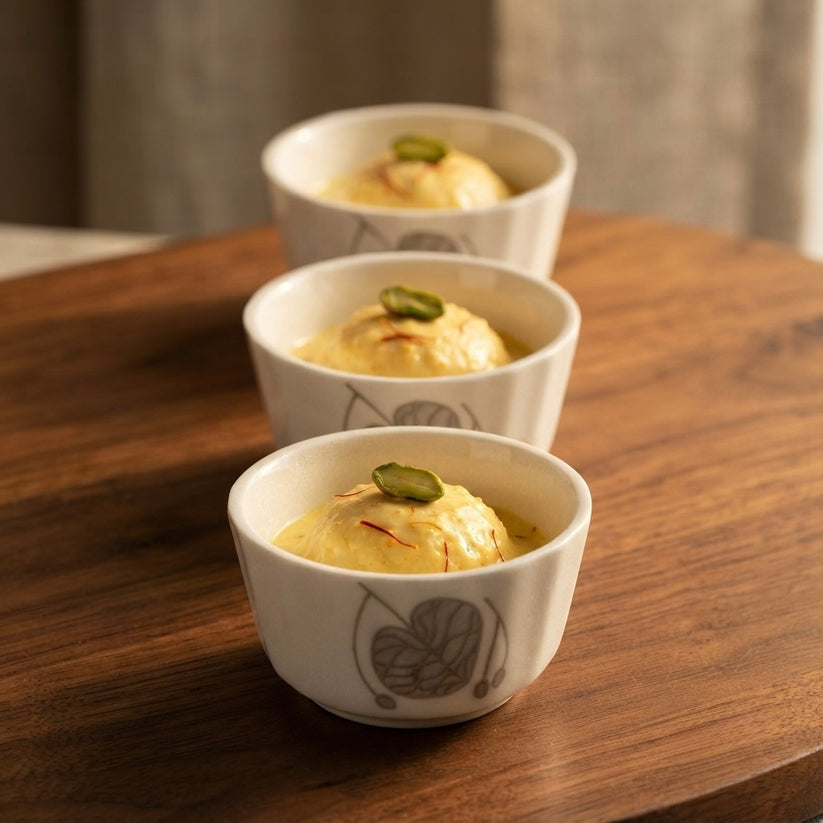
Ceramic bowls are excellent for everyday meals and serving — sturdy, practical, and built to handle daily rotation without much fuss. Fine bone china, on the other hand, offers a lighter, more refined appearance that works particularly well for elegant dining and gifting.
Neither is "better" in an absolute sense. Ceramic earns its place through durability and ease of use; bone china earns its place through how it looks and feels in hand. The right choice depends on what the bowl needs to do for you — survive a busy kitchen, or elevate a dinner table once in a while.
Weight, Translucency, and Feel — What You'll Notice First
The first thing most people notice when comparing the two side by side is weight. Bone china is typically lighter and thinner than standard ceramic, and if you hold a piece up to light, it often shows a soft translucency that ceramic simply doesn't have.
Ceramic, by contrast, feels more substantial — a bowl that sits solidly in your hand and doesn't feel like it needs careful handling. For a family kitchen where bowls get passed around, stacked, and occasionally bumped, that substantial feel can actually be an advantage rather than a downside.
Which Is More Durable for Everyday Use?
This is usually the deciding question for buyers picking bowls for daily use rather than display. Ceramic bowls tend to handle the wear of everyday meals well — repeated washing, stacking, and general kitchen traffic.
Bone china isn't fragile by any means, but its finer construction means it benefits from a slightly gentler routine — avoiding sudden temperature changes, using mild detergents, and being a little more mindful when stacking. For a piece that's used constantly, several times a day, ceramic is usually the more forgiving choice.
Everyday Bowls vs Gifting and Formal Occasions
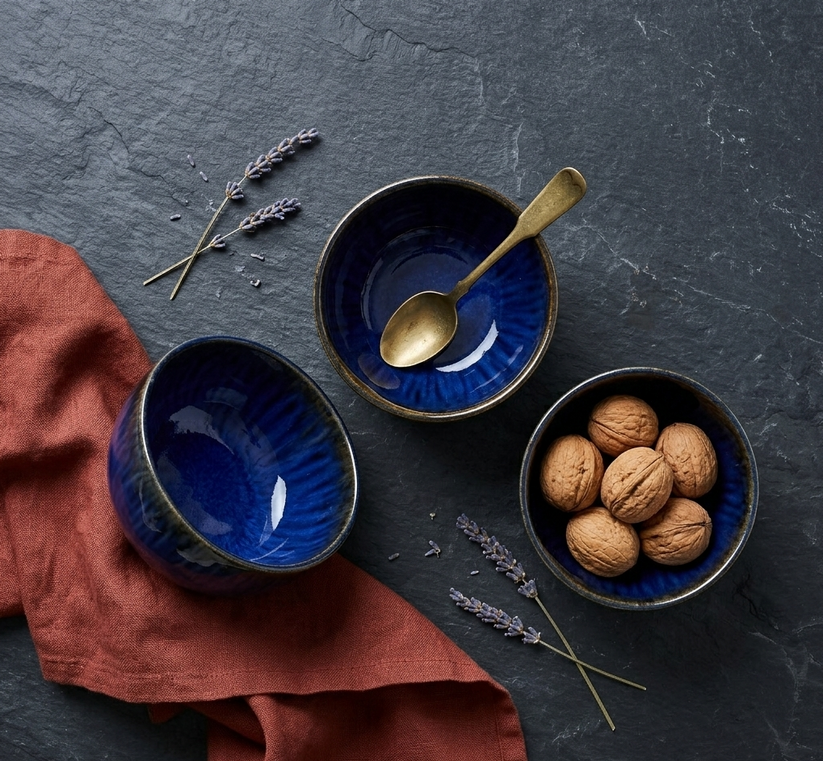
This is where the two materials really start to serve different purposes. For breakfast bowls, snack bowls, or anything in daily circulation, ceramic bowls do the job without asking much of you in return.
For gifting, festive occasions, or a dinner where you want the table to feel a little more considered, fine bone china tends to be the better pick. It photographs well, feels intentional, and carries a sense of occasion that everyday ceramic doesn't try to compete with.
Dandy Lines by DATA's Dessert and Snack Bowls collection brings together both ceramic and fine bone china options — useful if you want to compare the two materials side by side before deciding which fits a specific use.
Deep Bowls and One-Bowl Meals
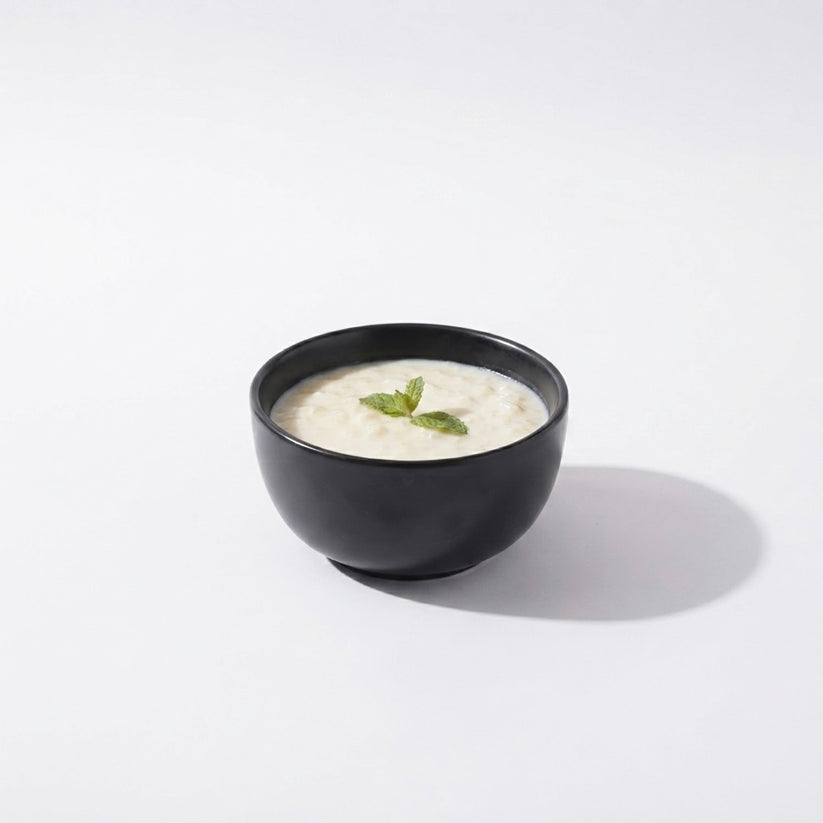
Not every bowl decision is about material — sometimes it's about shape. For noodles, ramen, or a proper one-bowl meal, depth matters more than whether the piece is ceramic or bone china.
Dandy Lines by DATA's Korean-style deep bowls are built specifically for this — soups, noodles, rice bowls, and similar dishes that need more room than a standard snack bowl offers. If your bowl collection is missing something for this kind of meal, it's worth treating as its own category rather than trying to make a shallow dessert bowl do double duty.
Chip-Resistance and Care

Chip-resistance is one of the most practical things to check before buying either material. Ceramic generally holds up well to daily knocks — the kind that happen naturally when bowls are stacked, washed, and reached for quickly during a busy meal.
Fine bone china can be just as durable in day-to-day use, but pieces with gold or platinum detailing need a bit more care — avoid the microwave for these, and stick to gentle hand-washing or a mild dishwasher cycle where the product allows it. A quick rule that holds up well: the more decorative the detailing, the more mindful the care routine should be.
Building a Mixed Collection — Do You Need Both?
For most households, the honest answer is yes — a mixed collection tends to work better than committing fully to one material. For a versatile collection, consider mixing practical everyday bowls with a few more decorative pieces for entertaining and festive occasions.
A workable split looks something like this:
-
Everyday rotation: Ceramic snack and dessert bowls that can take daily use without a second thought
-
Deeper meals: A few Korean-style deep bowls for noodles, soups, and one-bowl dinners
-
Guests and gifting: A smaller set of fine bone china pieces kept for occasions that call for something more refined
This way, nothing in the collection is being asked to do a job it wasn't really built for — the ceramic bowls aren't expected to look formal, and the bone china pieces aren't taking the daily wear they weren't designed for.
Why Choose Dandy Lines by DATA for China Bowls and Bone China Sets?
Dandy Lines by DATA offers both ceramic and fine bone china bowls, ranging from everyday snack and dessert bowls to deeper bowls for noodles and one-bowl meals, as well as more decorative serving pieces.
The range includes:
- Everyday ceramic bowls for daily meals and snacking
- Fine bone china bowls for gifting and formal dining
- Deep Korean-style bowls for noodles, soups, and one-bowl meals
- Decorative pieces suited to festive occasions and entertaining
China Bowls vs Bone China — Quick Checklist
Before you buy, check:
- How often the bowl will actually be used
- Whether it's for daily meals or mainly for guests and gifting
- Weight and feel — lighter and translucent, or sturdier and substantial
- Whether the piece has gold or platinum detailing that needs gentler care
- Bowl depth, if it's meant for soups, noodles, or one-bowl meals
There's no single right answer between china bowls and bone china — only the one that suits how you actually eat and entertain. Most collections end up stronger for having a bit of both: ceramic for the everyday, bone china for the moments that call for something more.
Frequently Asked Questions
1. Are china bowls the same as bone china bowls?
Not exactly. "China bowls" is often used loosely to refer to fine porcelain or ceramic dinnerware, while bone china is a specific type made with bone ash, giving it a lighter weight and translucent quality.
2. Which is more durable — ceramic bowls or bone china?
Ceramic bowls generally handle daily wear and repeated use well. Bone china is also durable but benefits from gentler handling, especially pieces with gold or platinum detailing.
3. Should I buy bone china or ceramic bowls for everyday use?
Ceramic is usually the more practical choice for everyday meals and frequent use. Bone china suits gifting, formal dining, and occasions where you want the table to feel more refined.
4. Can I mix ceramic and bone china bowls in one collection?
Yes. Many households keep ceramic bowls for daily use and a smaller set of bone china pieces for guests, gifting, or festive occasions.
5. Are bone china bowls with gold detailing dishwashers safe?
Most fine bone china is dishwasher-friendly, but pieces with gold or platinum detailing should avoid the microwave and are best cleaned gently to preserve the finish.